









India, the land of diverse cultures and traditions, is not only known for its history, art, and spirituality but also for its age-old healing practices. Today, Ayurveda, Yoga, meditation, naturopathy, and other holistic traditions are drawing global travellers in search of wellness, rejuvenation, and spiritual awakening. As the world struggles with stress, burnout, and lifestyle-related illnesses, India is emerging as a wellness tourism hub, offering a balance of body, mind, and soul through its healing traditions.
Ayurveda: The Science of Life
Ayurveda, often called the “science of life”, dates back over 5,000 years. Rooted in ancient Sanskrit texts like the Charaka Samhita and Sushruta Samhita, Ayurveda focuses on balancing the three doshas (Vata, Pitta, and Kapha) for overall well-being.
-
Global tourists often come to Kerala, Rishikesh, and Goa for authentic Ayurvedic therapies such as Panchakarma detox, herbal massages, and diet-based healing.
-
Ayurveda clinics and luxury resorts are blending traditional therapies with modern comforts, making wellness tourism more accessible.
-
According to recent surveys, Ayurveda tourism contributes significantly to India’s economy, attracting travellers from Europe, the Middle East, and the United States.
Yoga: India’s Gift to the World
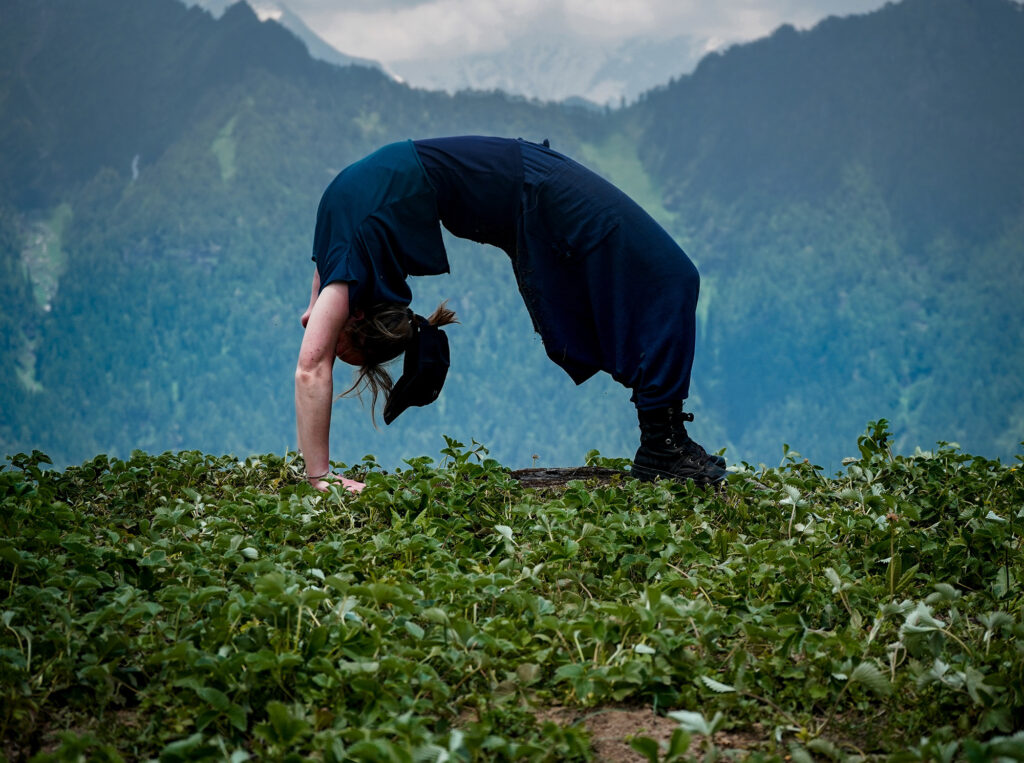
Yoga has become a global wellness movement, with millions practicing it daily. While it originated in India, travellers now return to its roots to experience authentic Yoga training.
-
Rishikesh, known as the “Yoga Capital of the World,” is a magnet for seekers wanting Yoga teacher training or immersive retreats.
-
Yoga is not limited to physical exercise—it integrates breathwork (Pranayama), meditation (Dhyana), and spiritual philosophy.
-
International Yoga Day, celebrated globally on June 21, further strengthens India’s identity as the birthplace of this transformative practice.
Beyond Ayurveda and Yoga: Expanding Horizons
While Ayurveda and Yoga remain the most popular, travellers are increasingly exploring other traditional healing practices in India:
-
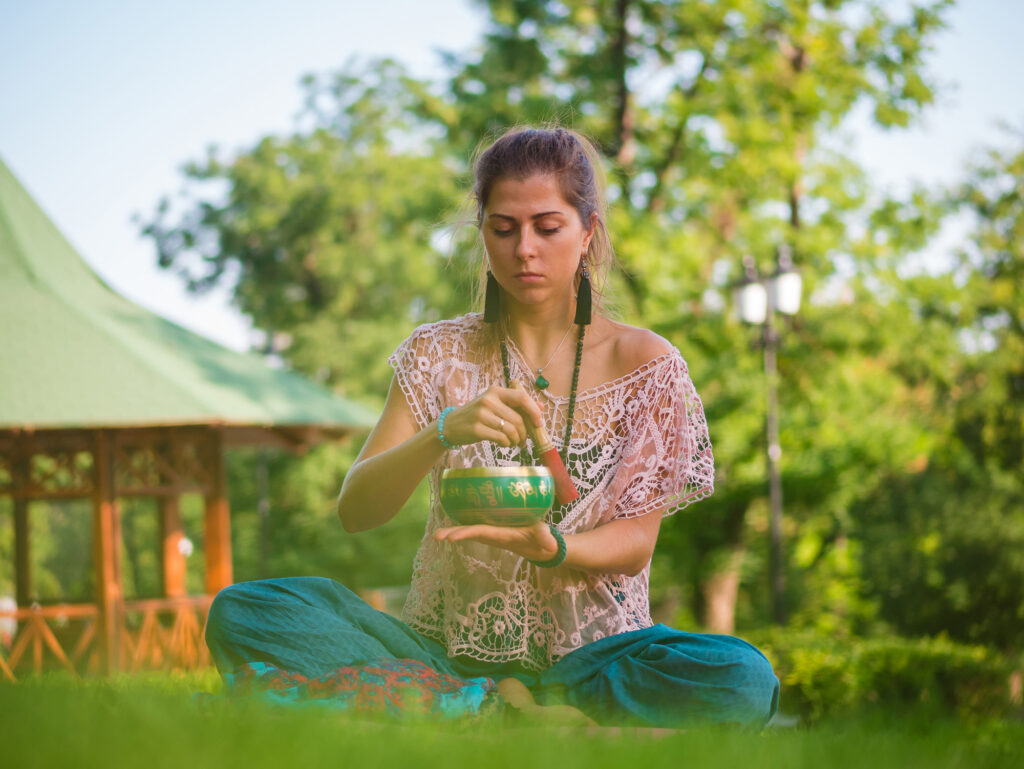
Meditation Retreats – From Vipassana centers to Himalayan monasteries, meditation offers mental peace and mindfulness.
-
Siddha and Unani Medicine – Ancient systems of natural healing practiced in parts of Tamil Nadu and North India.
-
Naturopathy and Holistic Wellness – Integrated therapies combining hydrotherapy, diet, and natural detox.
-
Spiritual Healing – Ashrams and spiritual centers provide inner peace, guiding visitors towards self-realization.
Why Global Travellers Choose India
-
Authenticity – Travellers prefer learning Ayurveda and Yoga from their original source.
-
Affordability – Wellness programs in India are often more cost-effective compared to Western countries.
-
Cultural Immersion – Healing traditions in India are often accompanied by local food, festivals, and spiritual practices.
-
Tourism and Wellness Together – Popular tourist destinations like Kerala, Himachal Pradesh, and Goa integrate healing with travel experiences.

Economic Impact and Growth of Wellness Tourism
According to the Ministry of Tourism, India’s wellness tourism market is growing at a rapid pace, expected to reach billions of dollars in the coming years. States like Kerala, Uttarakhand, and Karnataka are promoting Ayurveda and Yoga as a part of “Incredible India” campaigns, making wellness an essential part of India’s global identity.
Conclusion
As the world continues to face modern health challenges, India’s healing traditions—Ayurveda, Yoga, meditation, and beyond—are proving timeless and relevant. Travellers are not just visiting India for sightseeing but to transform their lifestyles, rediscover balance, and embrace holistic health.
India’s message is clear: Wellness is not a luxury but a way of life.