

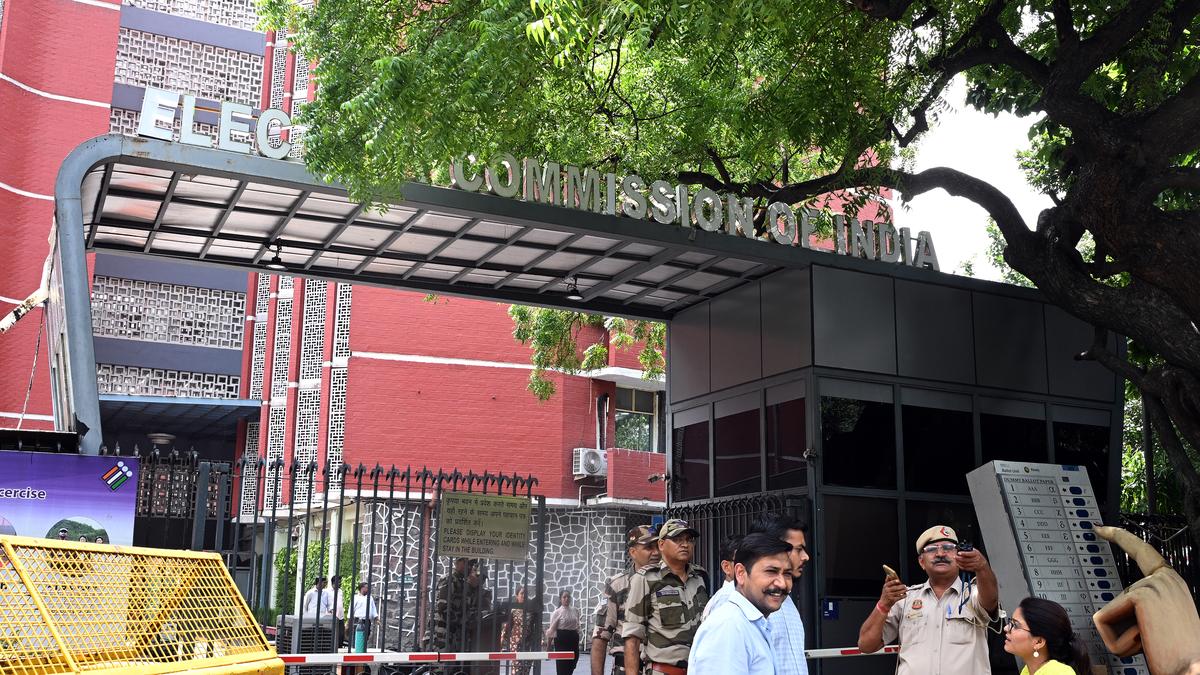
New Delhi, August 19, 2025 – Amid growing criticism from opposition parties, the Election Commission of India (ECI) has announced a sweeping set of 28 initiatives introduced over the past six months to bolster India’s election management infrastructure. The Commission stressed these measures target transparency, inclusivity, and operational efficiency in electoral processes.
Key Reforms and System Enhancements
According to ECI sources, the 28 initiatives cover six critical areas:

-
Stakeholder Engagement: Conducted over 4,700 all-party meetings involving CEOs, DEOs, and EROs, engaging more than 28,000 party representatives.
-
Political Party Rationalization: Delisted 334 inactive Registered Unrecognised Political Parties (RUPPs), with another 476 flagged for removal.
-
Digital Integration: Rolled out ECINET, a unified digital platform consolidating more than 40 apps into one interface for voters, officials, and political entities.
-
Tech & Transparency Enhancements:
-
Introduced booth-level officer ID cards
-
Implemented post-result EVM microcontroller verification in 5% of machines
-
Launched 100% webcasting at polling stations
-
Offered real-time voter turnout updates every two hours
-
Mandated VVPAT slip counts in case of mismatches
-
-
Electoral Roll Accuracy:
-
Fast-tracked EPIC delivery via SMS updates and reduced timelines
-
Eliminated duplicate EPIC numbers
-
Used death-registration integration to cleanse the rolls of deceased voters
-
-
Capacity Building & Training: Expanded officials’ training through IIIDEM and localized programs to improve election administration.
Context: Why These Changes Matter
The ECI’s reform drive comes in response to mounting pressure from opposition parties who raised concerns over voter deletions, suspected roll irregularities, and alleged lack of transparency in the electoral process.
Specifically, integration of death-registration data is a significant step—it allows the ECI to proactively and accurately remove deceased individuals from voter rolls, reducing the chance of fraud or outdated entries.

ABOUT THE AUTHOR
Dr. Philip K Mathew
Dr. Philip K. Mathew is a seasoned leader, communicator, and digital innovator with over 25 years of experience serving communities through ministry, technology, and media. He holds an Honorary Doctorate in Information Technology and Digital Innovation and has been instrumental in helping organizations, NGOs, and individuals embrace digital transformation, especially in the areas of web, mobile apps, broadcasting, and online platforms.</br> As the founder and director of Revive India and Revive Web Technologies Pvt. Ltd., Dr. Mathew has combined his passion for faith and technology to provide professional solutions to ministries, businesses, and educational institutions across India and abroad.</br> During the COVID-19 pandemic, he played a pivotal role in equipping hundreds of organizations and educators to transition into the online world, offering training, technical guidance, and digital support. He has also pioneered innovative initiatives such as launching Kerala’s first Full HD satellite TV channel (Athmeeya Yathra TV) and developing digital media strategies for Christian missions.</br> Passionate about writing and communication, Dr. Philip K. Mathew contributes regularly to platforms like Lekhakan.com, focusing on themes of relationships, faith, leadership, and technology’s role in shaping society. His vision is to inspire people to live with purpose, strengthen human connections, and embrace technology as a tool for transformation.</br> 📍 Based in Himachal Pradesh, India </br> 👨👩👦 Husband, father, teacher, and encourager
View all articles →KEEP READING
Related articles
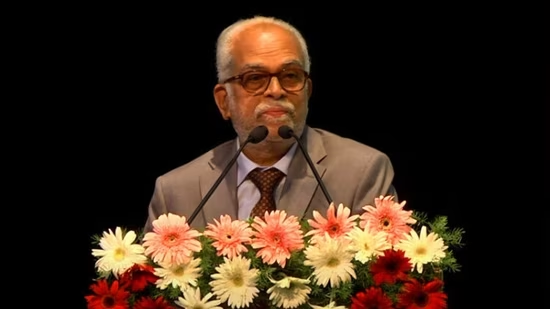
INDIA Bloc Nominates Justice B. Sudarshan Reddy for Vice President
The INDIA bloc has officially selected Justice B. Sudarshan Reddy, a retired Supreme Court judge, as its candidate for the…
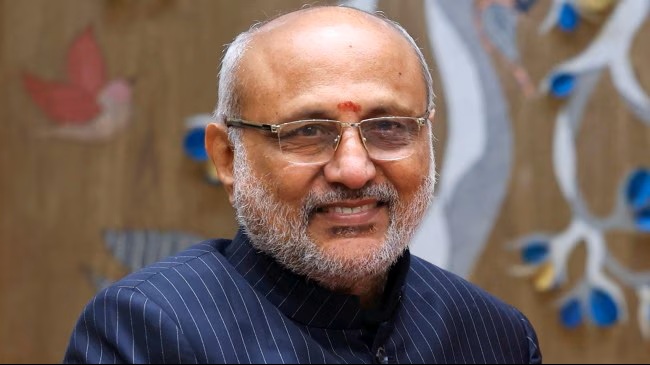
BJP Names C P Radhakrishnan as NDA’s Vice-Presidential Candidate
IN THIS ARTICLEHideBJP Names C P Radhakrishnan as NDA’s Vice-Presidential CandidateFrom Tamil Nadu to National SpotlightGovernor with a Different ApproachThe…
Leave a Reply