










As the nature of work evolves, so must the environments that shape it. In an era where remote and hybrid models are becoming the norm, workplaces are no longer just stations to clock in—they are hubs of connection, well-being, and innovation.
The New Paradigm: From Cubicles to Connections
-
Hybrid Work Needs Adaptive Spaces
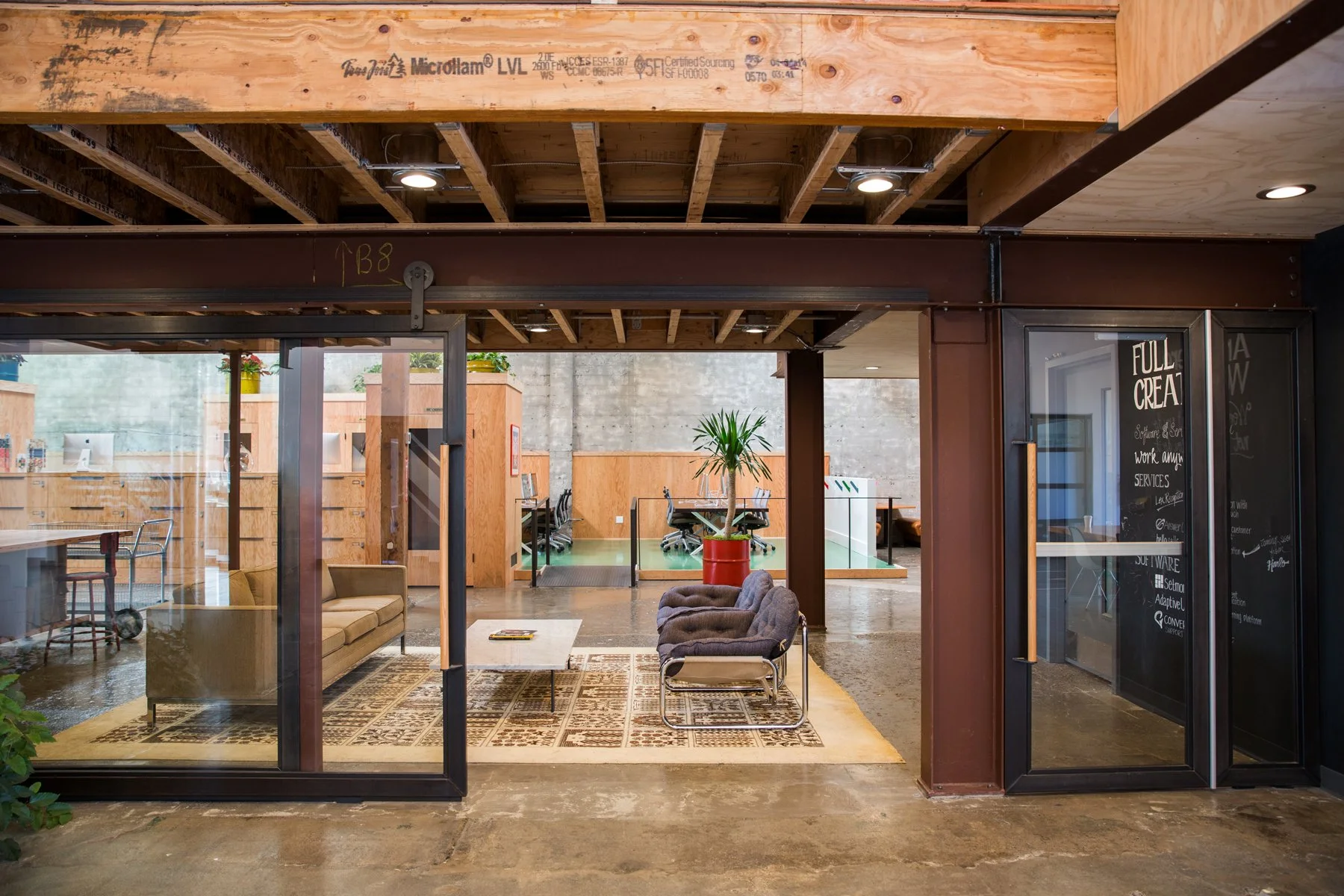
Offices are shifting from fixed desks to flexible, modular layouts that support team collaboration and personal focus alike -
Zoned Environments for Varied Work Modes
Thoughtfully designed workspaces now include quiet zones, collaborative lounges, café-style lounges, and recharge rooms, enabling seamless transitions between work modes -
Privacy Without Isolation
Privacy pods offer much-needed retreat spaces for focused work or private calls—while still keeping individuals within the communal atmosphere
Wellness, Biophilia, and Inclusivity at the Forefront
-
Well-being as Core Design
Modern offices now integrate natural elements — from living walls and daylight-mimicking lighting to air purification and acoustic comfort — to create psychologically safe environments -
Nature Meets Sustainability
Biophilic design brings nature indoors intentionally through natural materials, water features, outdoor views, and ventilation, nurturing creativity and reducing stress -
Inclusive for All
Accessibility is now a design priority. Workspaces now incorporate ergonomic furniture, neurodiverse-friendly lighting, and sensory-friendly zones for diverse comfort and collaboration
Smarter, Human-Centered Offices
-
AI-Powered Personalization
Modern workplaces use AI systems to optimize occupancy, lighting, temperature, and even suggest wellness breaks—creating environments that support rather than distract . -
Purposeful Layouts Drive Engagement
Employees no longer settle for random variety; they seek settings aligned to their work style and mood—whether it’s focused thinking or collaborative energy -
Fluid Multi-Use Spaces
Offices of 2025 are meant to flex quickly, serving as meeting rooms one moment and creative lounges or relaxation zones the next
Why This Matters
-
Reinforces Human Connection
Thoughtful office design enhances spontaneous collaboration, shared creativity, and social bonding—elements that virtual platforms struggle to replicate. -
Boosts Productivity & Morale
Studies show that employees in well-connected environments with diverse zone options demonstrate higher engagement, satisfaction, and retention -
Prepares for an Uncertain Future
Offices designed around human needs and flexibility aren’t just modern—they’re future-proof.