
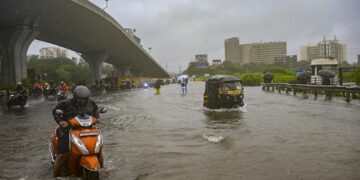







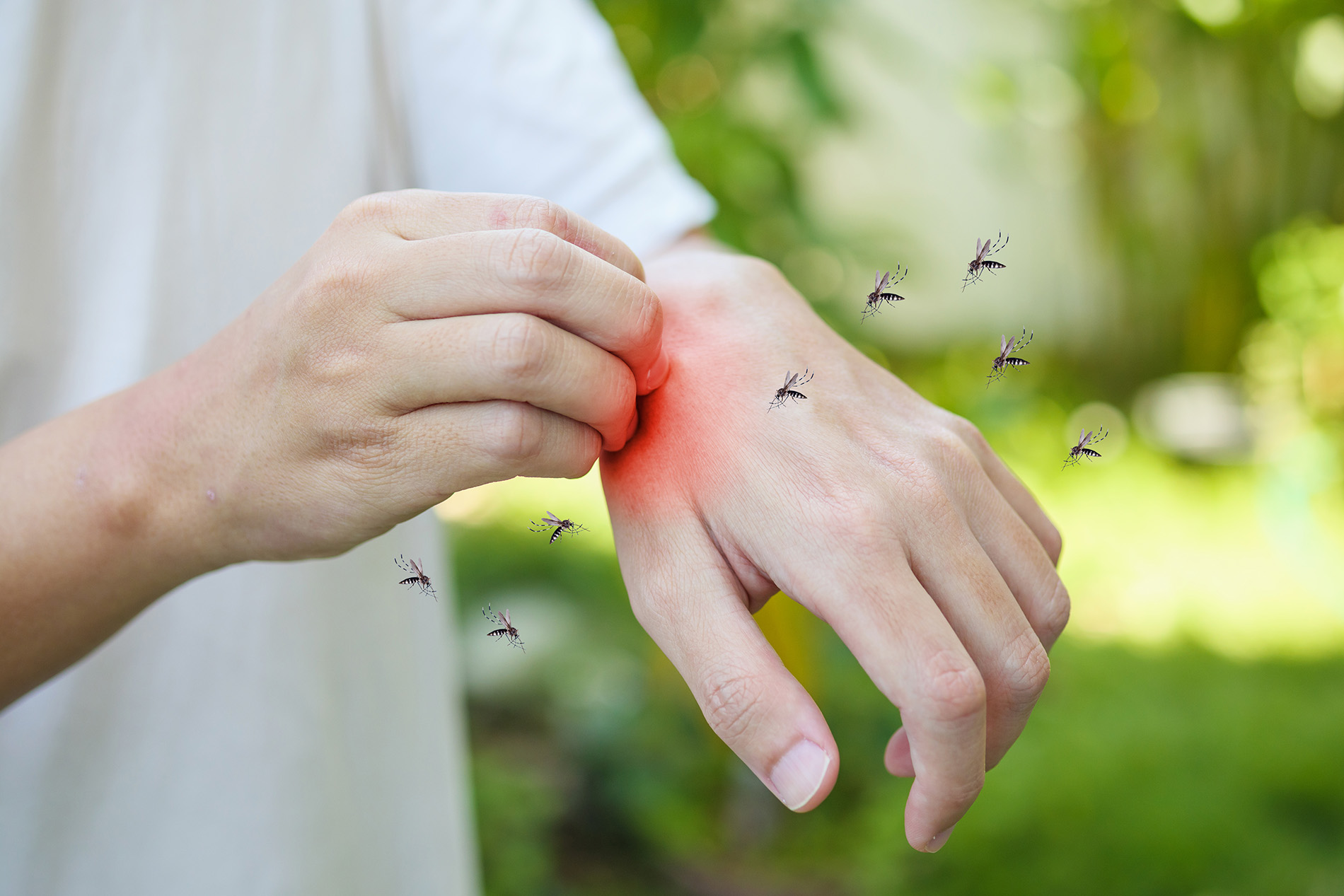

Monsoon season often brings with it a rise in infectious diseases, especially fevers. Dengue, malaria, and viral fever are among the most common illnesses during this time. Since all three share similar symptoms such as high fever, body pain, and weakness, many people confuse them. However, early identification and proper care are essential for timely treatment. Let’s understand the key differences, symptoms, and effective prevention tips.
1. Dengue Fever
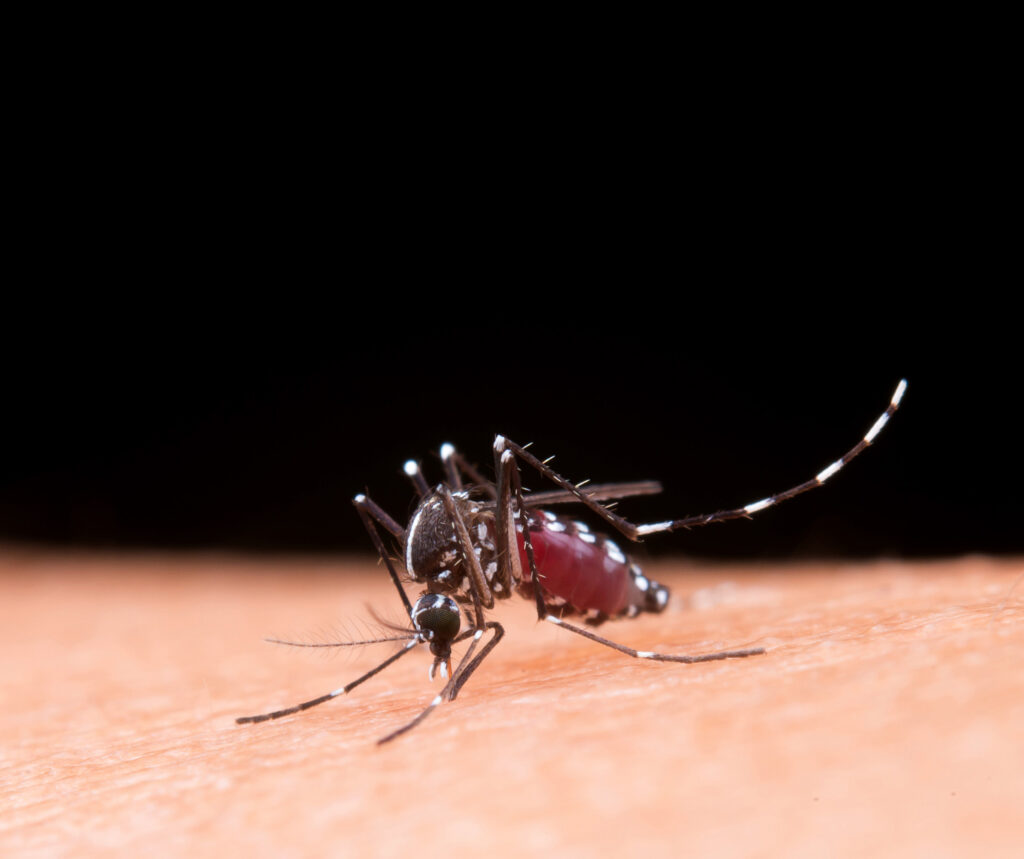
Cause: Dengue is caused by the dengue virus, transmitted through the bite of the Aedes aegypti mosquito, which typically bites during the day.
Common Symptoms:
-
Sudden high fever
-
Severe headache, pain behind the eyes
-
Intense joint and muscle pain (“breakbone fever”)
-
Rashes on the skin
-
Nausea and vomiting
-
In severe cases: bleeding gums, nosebleeds, and low platelet count
Risks: Dengue can develop into severe dengue or dengue hemorrhagic fever, which may require hospitalization.
2. Malaria
Cause: Malaria is caused by a parasite (Plasmodium), spread through the bite of the female Anopheles mosquito, usually at night.
Common Symptoms:
-
High fever with chills and shivering
-
Profuse sweating after fever subsides
-
Severe headache
-
Muscle pain and fatigue
-
Nausea, vomiting, and sometimes diarrhea
-
Enlarged spleen and anemia in prolonged cases
Risks: If untreated, malaria can lead to complications like brain malaria (cerebral malaria), organ failure, or even death.
3. Viral Fever
Cause: Viral fever is a general term for fever caused by viral infections, often spread through contaminated food, water, or close contact with infected people.
Common Symptoms:
-
Mild to high fever
-
Runny nose, sore throat, cough (in some cases)
-
Body ache and weakness
-
Loss of appetite
-
Headache
-
Fatigue and mild rashes (sometimes)
Risks: Viral fever usually resolves in 3–7 days and is less dangerous than dengue or malaria, but neglecting it can worsen the condition.
Key Differences Between Dengue, Malaria, And Viral Fever
| Feature | Dengue | Malaria | Viral Fever |
|---|---|---|---|
| Cause | Dengue virus (mosquito-borne) | Plasmodium parasite (mosquito-borne) | Various viruses (airborne/foodborne) |
| Mosquito Type | Aedes aegypti (day-biter) | Anopheles (night-biter) | Not mosquito-borne |
| Onset of Symptoms | Sudden high fever | Cyclical fever with chills | Gradual or sudden |
| Unique Signs | Severe joint/muscle pain, rashes, low platelets | Chills, shivering, sweating cycle | Cold, cough, mild sore throat |
| Risks | Severe dengue, internal bleeding | Cerebral malaria, organ failure | Usually mild, self-limiting |
Prevention Tips For All Three
✅ Avoid mosquito breeding: Keep surroundings clean, remove stagnant water, and cover water containers.
✅ Use mosquito protection: Apply repellents, use mosquito nets, and wear long-sleeved clothes.
✅ Strengthen immunity: Eat a balanced diet rich in vitamin C, protein, and fluids.
✅ Maintain hygiene: Wash hands regularly, consume clean water, and avoid street food during monsoon.
✅ Seek medical help early: If fever persists beyond 2 days, consult a doctor and get tested.
Final Thoughts
While dengue and malaria are mosquito-borne diseases with potentially severe complications, viral fever is usually milder but still requires care. Understanding the differences in symptoms helps in timely diagnosis and treatment. Prevention is always better than cure—so protect yourself from mosquito bites, maintain hygiene, and don’t ignore prolonged fever.