











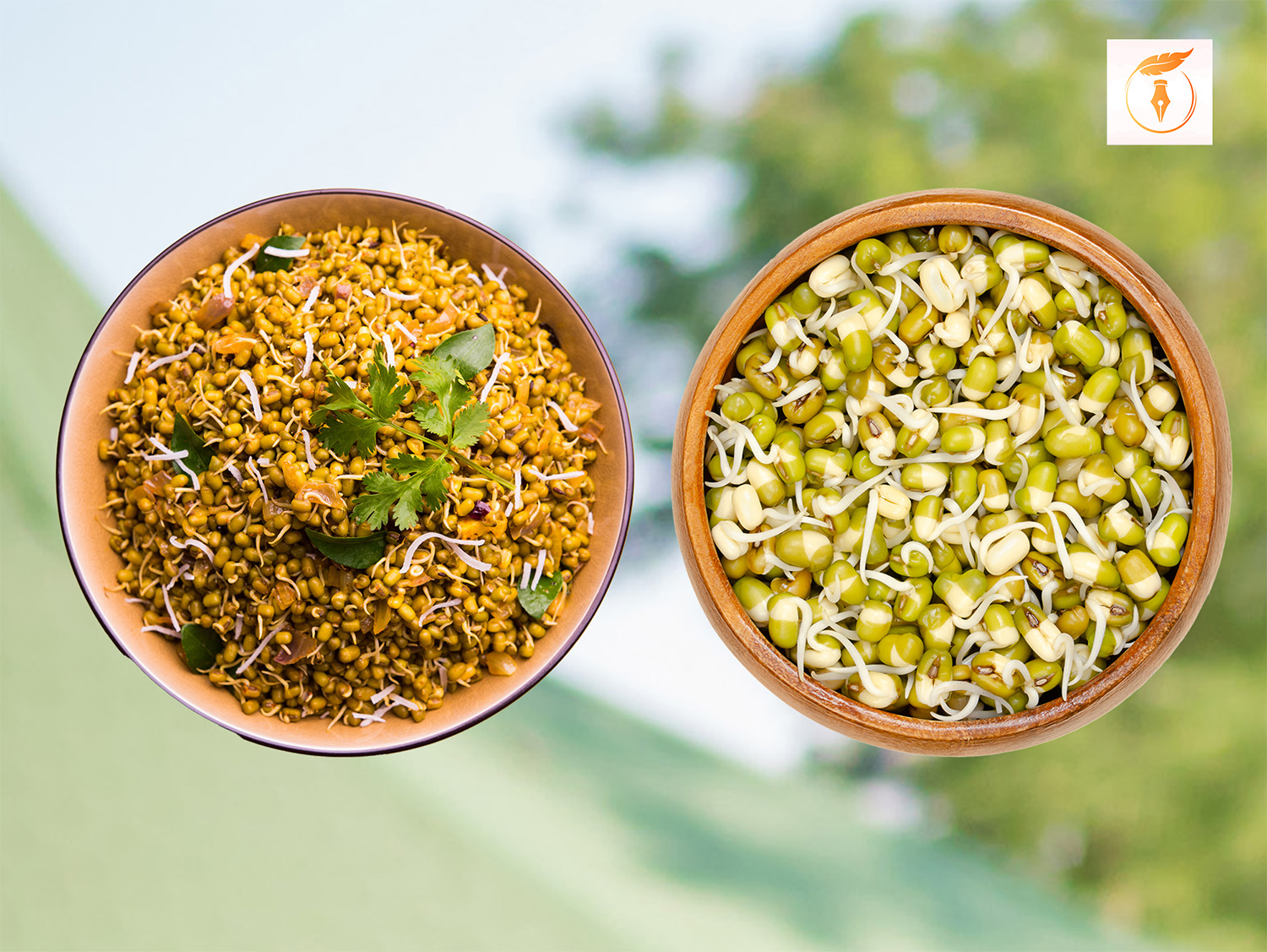

Sprouts are often considered a superfood — light, nutritious, and easy to prepare. They make an excellent breakfast or snack, especially for health-conscious individuals. But a debate often arises: Should you eat sprouts raw or steamed?
Raw sprouts are crunchy, enzyme-rich, and nutrient-dense. On the other hand, steaming makes them easier to digest and significantly reduces bacterial risks. This becomes particularly important during the monsoon season when our digestive systems are more vulnerable.
So, let’s dive deep into the comparison of raw vs steamed sprouts to help you make an informed choice.
The Nutritional Profile of Sprouts
Sprouts are germinated seeds of legumes, grains, or pulses such as mung beans, chickpeas, or lentils. They are a powerhouse of:
-
Vitamins: A, B-complex, C, K
-
Minerals: Potassium, magnesium, iron, calcium
-
Enzymes: Support better digestion and metabolism
-
Dietary fibre: Keeps you full and promotes gut health
-
Protein: Excellent plant-based source for vegetarians and vegans
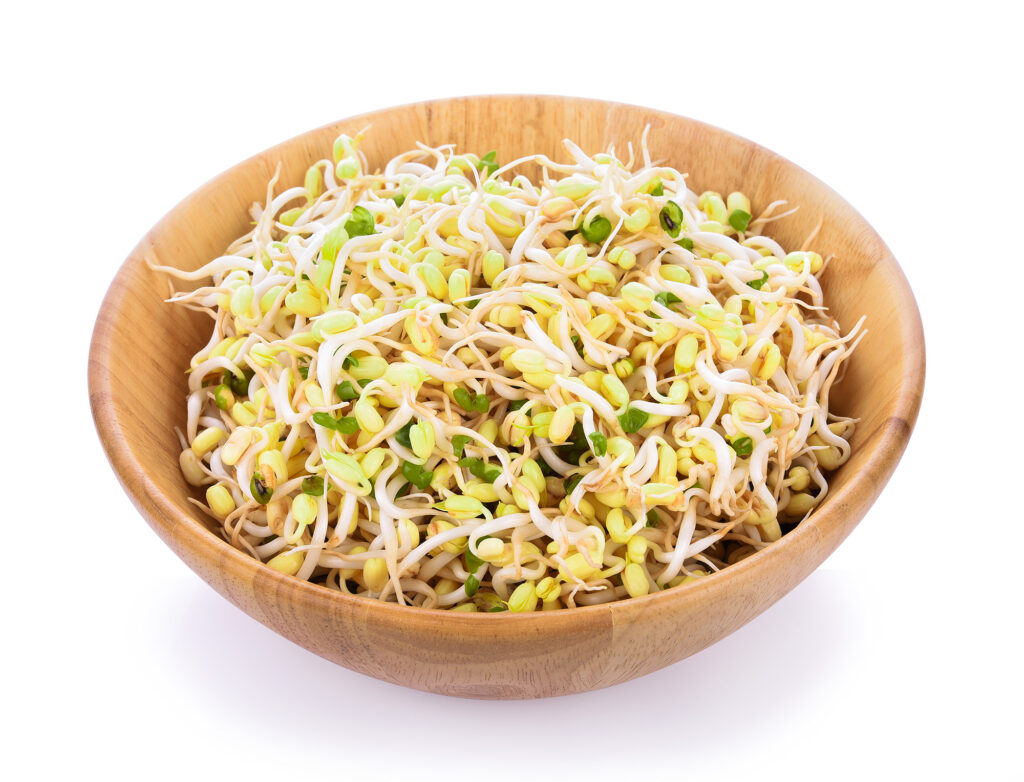
Raw Sprouts: Crunchy but Risky
Benefits of Raw Sprouts
-
Retain live enzymes, which are often lost during cooking.
-
Packed with vitamin C that supports immunity.
-
Provide a natural source of antioxidants, which fight free radicals.
-
Ideal for weight watchers — low in calories but high in fibre, keeping you fuller for longer.
Risks of Raw Sprouts
-
Sprouting requires a warm and humid environment, which is also ideal for harmful bacteria like E.coli and Salmonella.
-
Even after washing, bacteria may remain hidden inside the sprout.
-
Raw sprouts are not recommended for children, pregnant women, elderly people, or those with weak immunity.
-
Can cause bloating or indigestion for people with sensitive stomachs.
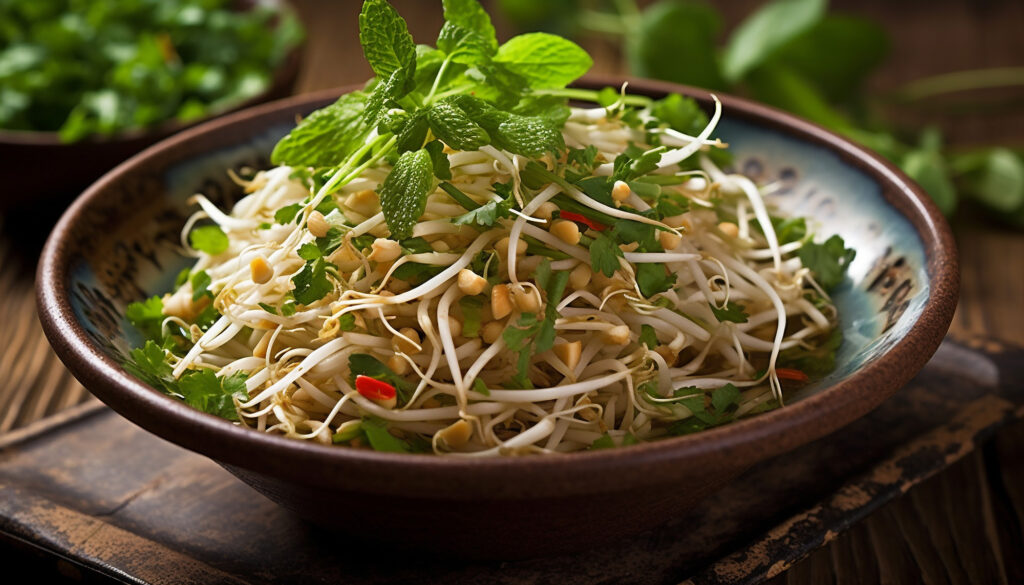
Steamed Sprouts: Safer and Easier on the Stomach
Benefits of Steamed Sprouts
-
Kills harmful bacteria during light steaming (around 70°C / 160°F).
-
Improves digestibility by softening the fibre and reducing bloating.
-
Nutrient loss is minimal; in fact, steaming increases the bioavailability of antioxidants like carotenoids.
-
Retains most vitamins, minerals, and protein content.
-
Versatile — can be added to soups, stir-fries, curries, or salads.
Points to Note
-
Steaming may reduce heat-sensitive nutrients like vitamin C.
-
Overcooking can destroy valuable enzymes and dull the taste.
Raw vs Steamed Sprouts: A Quick Comparison
| Aspect | Raw Sprouts 🌱 | Steamed Sprouts 🥗 |
|---|---|---|
| Nutrient Density | Very high (enzymes & vitamins intact) | High, slight loss of vitamin C but better absorption of minerals |
| Digestibility | Harder to digest for sensitive stomachs | Easier to digest, softer texture |
| Safety | Higher risk of foodborne illness | Low risk, bacteria destroyed by steaming |
| Best For | Healthy individuals with strong immunity | Children, elderly, pregnant women, monsoon season |
Expert Tip: The Balanced Way
Nutritionists recommend a combination approach:
-
On days when your digestion feels strong, enjoy raw sprouts for their enzymes.
-
During monsoon or if you’re prone to stomach issues, stick to steamed sprouts.
-
Enhance flavour and nutrition by adding lemon juice, black pepper, and chopped veggies after steaming.
Conclusion
Both raw and steamed sprouts can be beneficial additions to a balanced diet. If you’re in good health and want maximum nutrients, raw sprouts can be a great choice. But if safety and digestibility are a concern — especially in the monsoon — steamed sprouts are the winner.
The key is moderation and listening to your body. After all, the healthiest choice is the one that supports your unique digestion and immunity.