



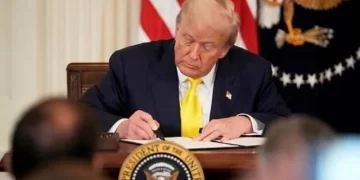



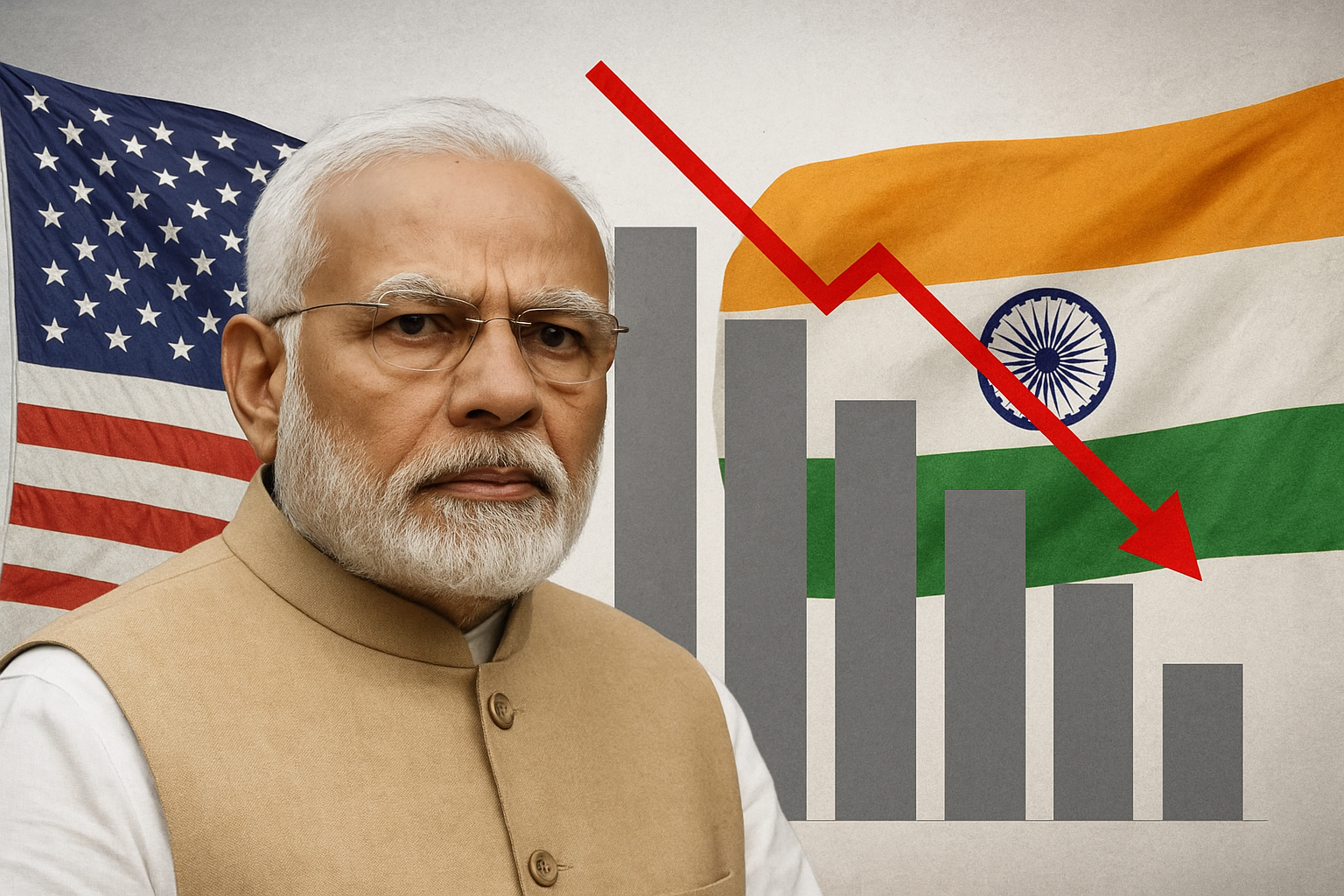

The recent doubling of U.S. tariffs on Indian goods isn’t just a pain for exporters—it threatens a significant portion of India’s growth engine. Exports to the United States account for $87 billion, roughly 18% of India’s total exports and over 2% of GDP. The rising import duties risk chipping away at this crucial revenue stream, putting pressure on the economy at a vulnerable moment.Financial Times
India’s export-led model, once seen as a pathway to shared prosperity, is facing a harsh recalibration. The current tariff hike could derail supply chains, especially in sectors where India has carved out a niche with competitive pricing and skilled labor.
Yet, this crisis also prompts a more transformative re-think. India’s “Make in India” initiative—intended to wean the country off dependence on foreign supply lines—now faces a structural test. While the country aims to attract global manufacturers, rising geopolitical instability makes investors hesitate.
This moment of conflict could, paradoxically, be India’s opportunity. If handled well, it may accelerate the shift toward domestic innovation—especially in emerging domains like semiconductors, electric vehicles, cloud infrastructure, and artificial intelligence. Many of these sectors hold the potential to transform India from a cost player into a value creator.
Still, this transition demands massive investments, stable policy frameworks, and institutional reform. Bureaucratic hurdles, inconsistent regulations, and infrastructure gaps pose real threats to scaling up Indian industry.
The India–U.S. fallout also extends beyond economics. Strategically, India risks being pushed into the orbit of alternative partners—even rivals—if trade channels remain restricted. A closer embrace of China or Russia may offer short-term relief but risks long-term strategic compromise.
In navigating this turbulent landscape, India must carefully harness its strengths. A renewed focus on domestic manufacturing is essential—not just for trade resilience, but for shaping a multipolar future where India stands strong on its own terms. If that happens, this moment of conflict could become an inflection point in India’s march toward self-reliance and economic leadership.